
Rare archaeological discovery: Scientists find ancient human DNA on cave walls for the first time
Scientists have discovered human DNA dating back thousands of years on the walls of caves in Spain and Portugal, in a discovery that is the first of its kind in the field of ancient genetics, opening the door to understanding the genetic identity of the makers of the cave paintings.
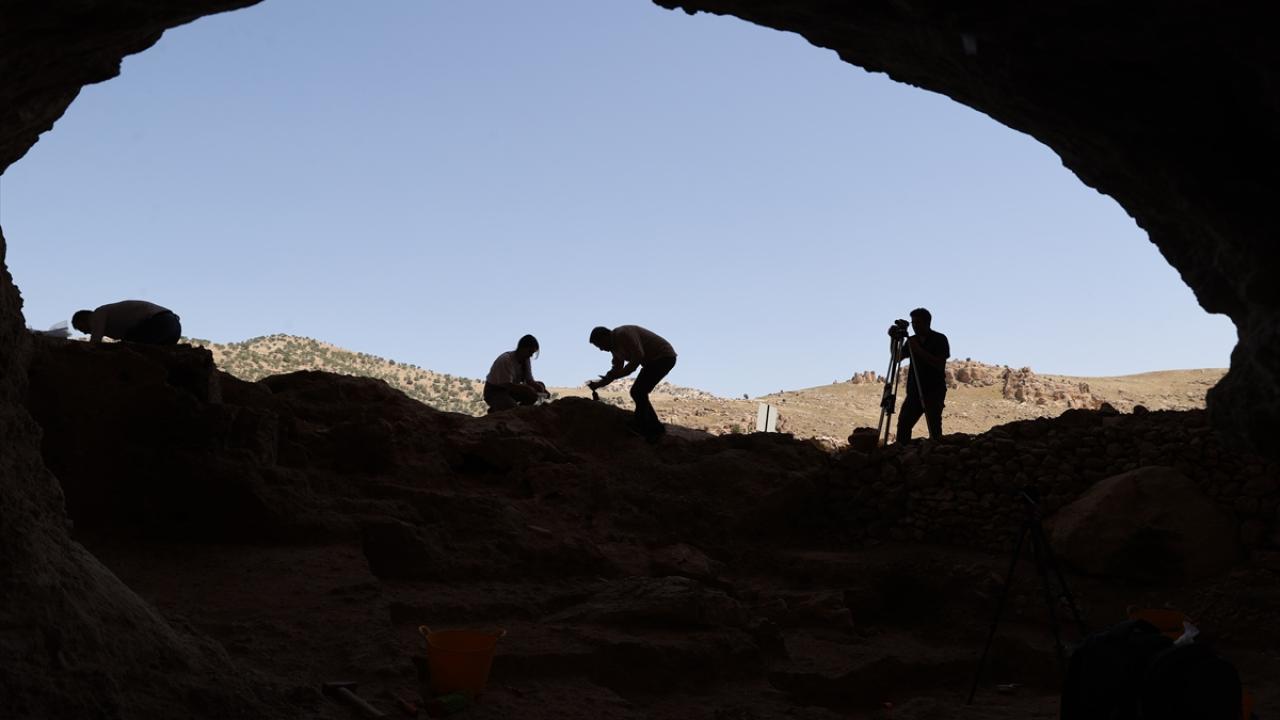
An international research team, after examining samples from 11 different caves in Spain and Portugal, found ancient human DNA on the walls of the caves, in a discovery that is the first of its kind in the field of ancient genetics, and reveals that the walls of caves preserve much more information than was thought.
The researchers believe that this ancient DNA may have been transferred to the walls through direct contact, as the sweaty hands of ancient humans while drawing cave paintings, or their saliva splattered from the bone tubes used in blowing Dyes, or other bodily fluids, caused these remains to remain hanging on the walls for thousands of years.
It turned out that one of the DNA samples discovered remained preserved without damage until today, thanks to the layer of calcite that formed the limestone and marble and covered it.
The analyzes conducted in the Covaron Cave in Spain showed that the DNA discovered there belonged to a rational human (Homo sapiens) belonging to the group of hunters. And gatherers of Western Eurasian fruits common among Iberian peoples.
This story was produced with machine-translation assistance, then went through human editorial review for accuracy and sourcing.
✦ Related articles
A Turkish fisherman rescues a Caretta Caretta turtle stuck inside a plastic bag

Antique carpets refurbished by the Antalya sun find buyers abroad for $5,000

Comments (0)
No comments yet — be the first to comment.