
Forensic medical report: 3 infants could have been saved in the “Newborn Gang” case in Istanbul
A report from the Turkish Forensic Medicine Foundation, which included 10 infant deaths and was signed by 37 doctors, revealed that at least 3 infants could have been saved if they had received the appropriate diagnosis and treatment at the right time, during the trial of 62 defendants on charges of transferring infants to specific hospitals in exchange for illegal kickbacks.
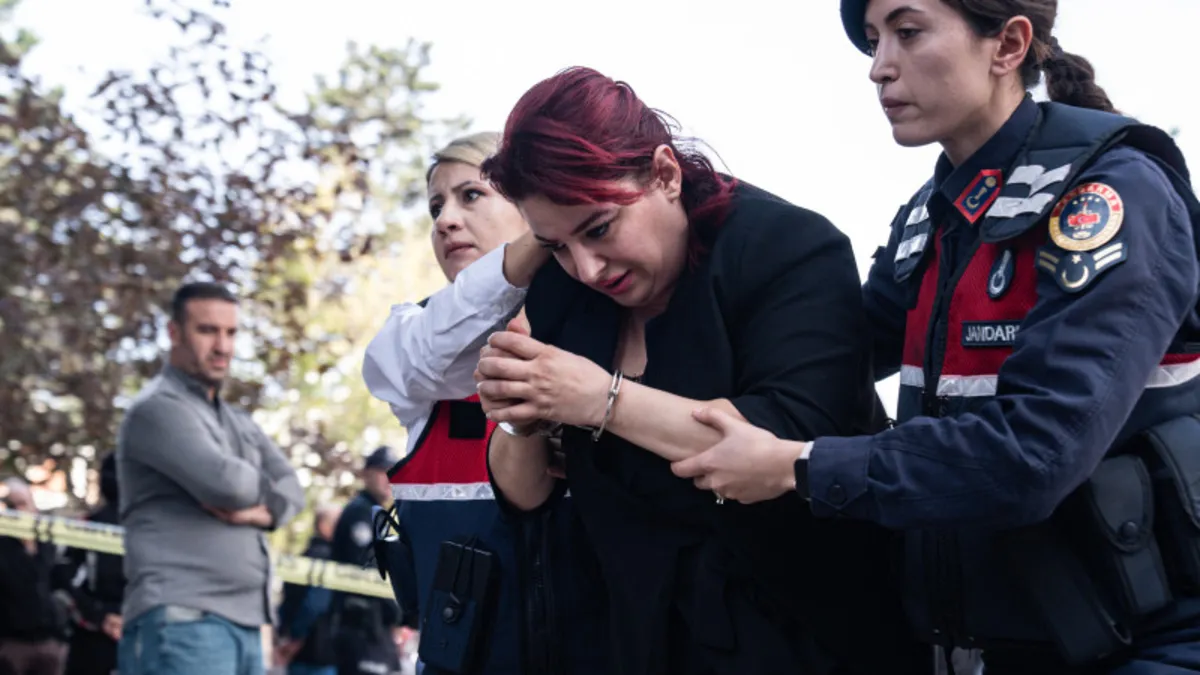
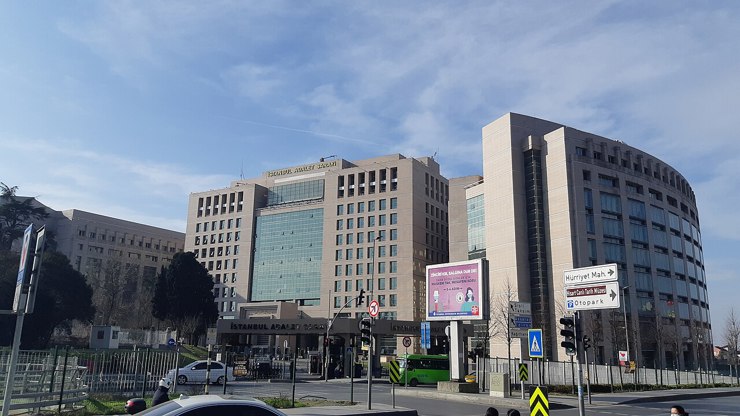
The trial sessions of 62 defendants continued before the 22nd Grand Criminal Court in Bakirkoy, Istanbul, on charges of transferring emergency cases of infants to neonatal units in pre-agreed private hospitals, causing their death and making illegal gains.
Previous reports from the Inspection Authority of the Ministry of Health and the Forensic Medicine Foundation had been included in the case file, but the court requested in previous sessions, due to differences in evaluations between the two reports, that the two reports be prepared. A separate opinion for each infant from the Supreme Council of the Forensic Medicine Institution.
The court was presented with a report from the Third Committee of the Supreme Council of the Forensic Medicine Institution regarding the death of 10 infants, signed by 37 doctors, and numbering 1,284 pages, which included the cause of death of each infant and the measures that were taken during his treatment period.
The reports indicated, regarding the infants Roa Qadan, Ayaz Karaduman, Melek Suleymanoglu, and Michel Nwando. Opara, Halima Al-Kari, Karim Mehmet Tokluoğlu, and the Kaya family's two infants, who have not yet been named, indicated that there was a causal link between the neglect that occurred and the death of the infants, noting that their survival was not certain even if they received appropriate diagnosis and treatment in a timely manner.
It was determined.The cause of infant death, Hawa Nour Karakouj, was severe malnutrition that led to severe lung damage, respiratory failure, brain damage, and sepsis (the body’s dangerous excessive response to infection).
أُنتج هذا الخبر بمساعدة الترجمة الآلية ثم خضع لمراجعة تحريرية بشرية للتحقّق من الدقّة والمصدر.

التعليقات (0)
لا توجد تعليقات بعد — كن أول من يعلّق.